 👥Society
The psychology of choosing seats in public transport: Why some sit as far away as possible
Psychological insights explain why many passengers prefer to occupy the most remote seats in a bus or train car.
👥SocietyPsychological insights explain why many passengers prefer to occupy the most remote seats in a bus or train car.
 👥Society
Psychologists explain that the habit of letting shoppers with a single item go ahead is not just about manners, but about empathy and awareness of others.
 🎓Education
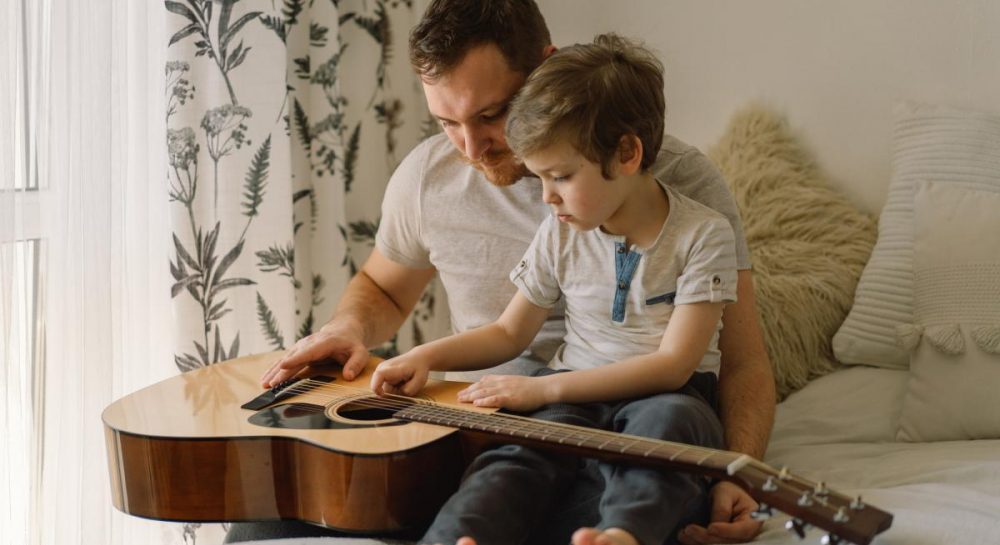
Excessive parental control during childhood can shape specific character traits that may hinder personal development in adulthood.
 👥Society
Recent psychological research explores why elderly people frequently start conversations with strangers and how it benefits their daily well-being.
 🏙️City
Research indicates that excessive responsibility and constant readiness to help colleagues often lead to professional burnout and unexpected resignations.
 👥Society
Color experts have analyzed how a vehicle's color can reflect a owner's personality traits and to what extent this choice is conscious.
 🩺Health
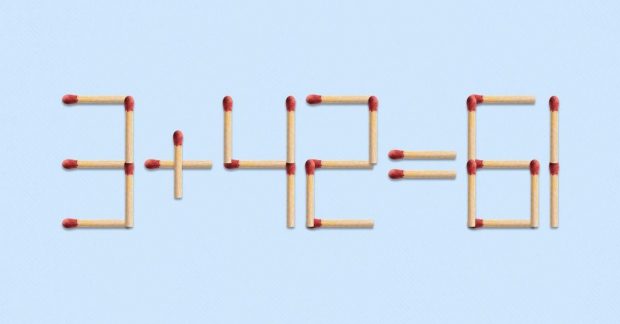
A mathematical matchstick puzzle demonstrates the importance of brain training for maintaining mental activity.
 🩺Health
Analyzing a pet's evening behavior helps owners better understand their comfort level and trust in their environment.
 🎓Education
Scientists have investigated the reasons behind people's persistent attachment to mobile phones and constant news feed scrolling.
 👥Society
Researchers explain the origins of superstitions regarding evening sweeping as a combination of ancient mystical beliefs and practical domestic reasons.
 ⚽Sport
Scientists from the University of Ulm found that when concealing information, people tend to blink less and hold their gaze longer rather than avoiding eye contact.
 👥Society
Experts have analyzed the impact of cats on owners' sleep quality, highlighting both psychological benefits and domestic inconveniences.
 👥Society
New research explains why regular help often becomes perceived as an obligation rather than a genuine act of generosity.
 👥Society
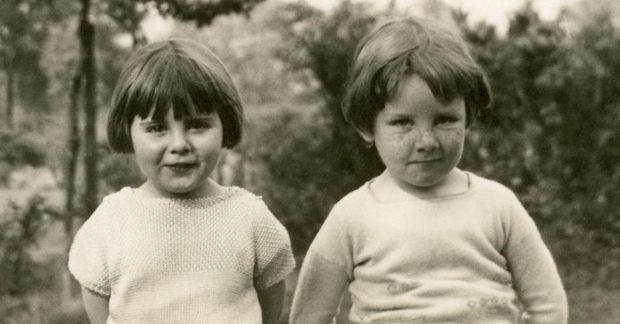
Research by psychologist Peter Gray indicates that individuals born in the 1960s and 1970s experienced greater independence and less digital interference during childhood…
Got a tip, a proposal or a partnership question? Write to us and we will reply shortly.