UN International Court of Justice First Finds State Responsible for Rohingya Genocide in Myanmar
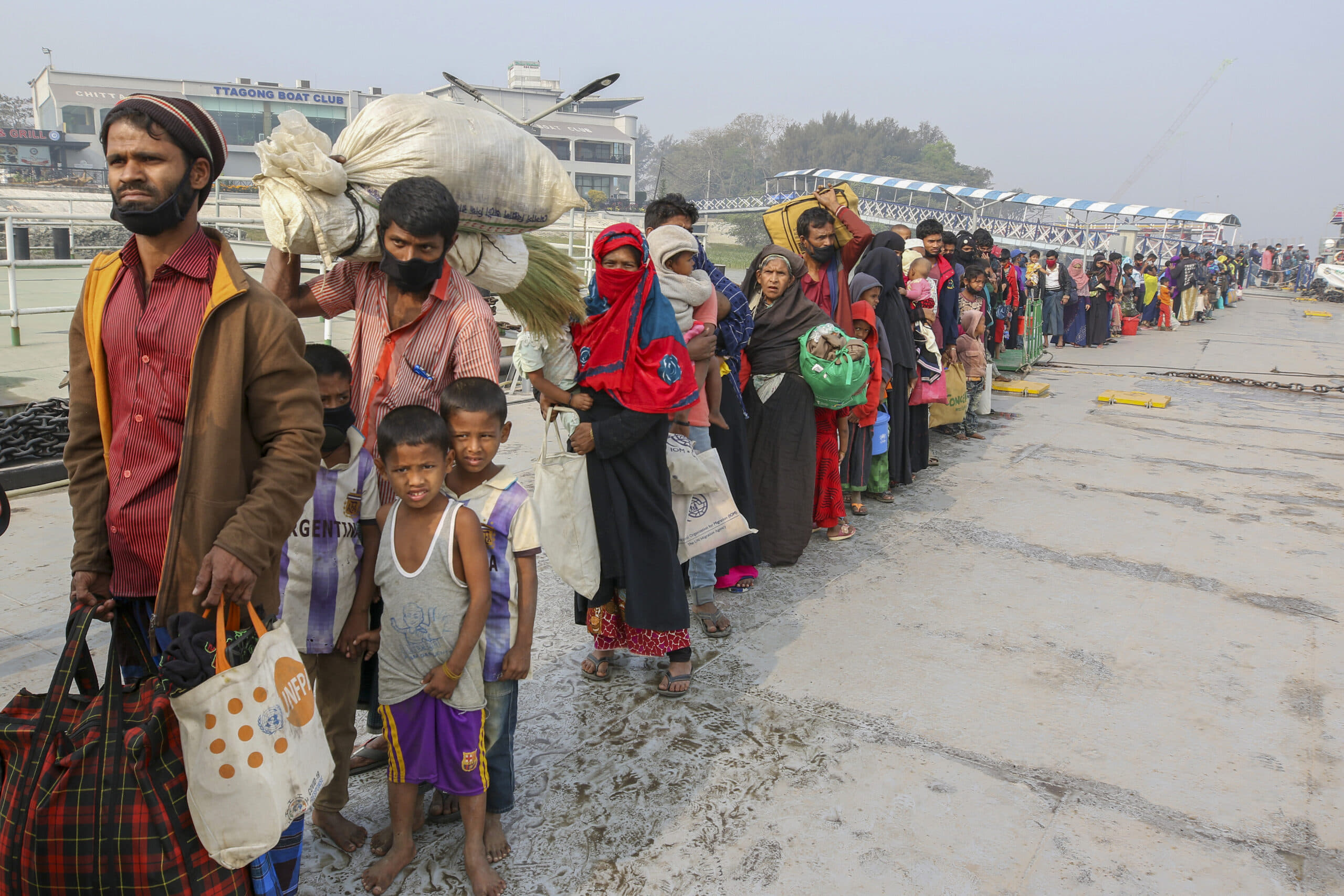
The UN International Court of Justice delivered a landmark ruling, finding Myanmar guilty of genocide against the Rohingya Muslim minority in 2017.
 🇺🇦Ukraine
Photo: Ukrainska Pravda
Key points
- UN International Court of Justice finds a state guilty of genocide for the first time.
- The ruling concerns crimes against the Rohingya minority in Myanmar in 2017.
- The court ordered Myanmar to punish perpetrators and compensate victims.
- The decision sets a major legal precedent for other international court cases.
On Thursday, the UN International Court of Justice issued a landmark ruling establishing that Myanmar's authorities committed acts of genocide against the Rohingya ethnic minority nearly a decade ago. This marks the first time in history that the UN's highest judicial body has officially held an entire state responsible for such a grave crime. The court in The Hague ruled that large-scale military crackdowns in 2017 in the northern Rakhine State violated fundamental obligations under the Convention on the Prevention and Punishment of the Crime of Genocide.
The investigation and legal proceedings were rooted in the events of 2016–2017, when brutal military operations forced over 700,000 Rohingya to flee across the border into neighboring Bangladesh. Refugees testified about mass killings of civilians, sexual violence, and burned villages. The case against Myanmar was brought to the International Court of Justice in 2019 by Gambia, acting on behalf of the surviving Muslim community. The court ordered Myanmar's government to immediately halt violations, investigate and hold perpetrators accountable, and ensure the safe return of refugees.
International Context and Precedent Implications
Experts note that proving the crime of genocide legally is exceptionally difficult because it requires concrete evidence of a specific "intent" to destroy a national, ethnic, racial, or religious group. Until now, such cases rarely resulted in convictions against entire states. However, this current verdict establishes a powerful legal precedent that will inevitably influence other high-profile international proceedings, including lawsuits related to conflicts in the Middle East and Europe.
For Ukrainian society, which closely monitors international legal processes against Russian aggression, such decisions carry significant symbolic and practical meaning. They demonstrate both the effectiveness and complexity of global judicial mechanisms where every accusation requires rock-solid proof of intent. Residents of Pryluky and across Ukraine understand the importance of accountability for war crimes and crimes against humanity, as the global architecture of security and justice relies heavily on such foundational precedents.
Source Ukrainska Pravda — pravda.com.ua/news/2026/11/19/8063626/ ↗
Read next
 🏙️City
Icy roads: meteorologists warn of danger on November 25
The Ukrainian Hydrometeorological Center has issued a Level 1 weather alert due to icy road conditions in Kyiv and the surrounding region.
 🚌Transport
Fuel prices in Ukraine are falling: experts predict further decline
Over the next 7-10 days, the cost of gasoline and diesel fuel at Ukrainian gas stations is expected to decrease by another 6-7 hryvnias.
 💼Economy
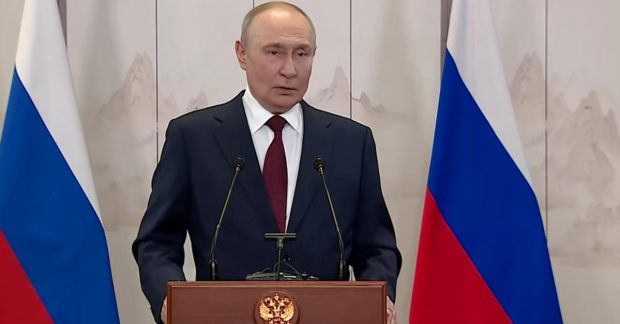
Putin threatens retaliation for attacks on Russian oil refineries
Vladimir Putin claimed that Ukraine continues to target Russian refineries despite US requests, promising a response.
 👥Society
The LEGO design secret: why minifigure head holes save lives
The small hole in a LEGO minifigure's head serves a crucial safety function beyond just design.
 💼Economy
How to prepare for the New Year holidays in Pryluky wisely: saving tips
Preparation for the New Year holidays is often accompanied by significant expenses. Experts recommend planning a budget and avoiding impulsive purchases to save money.
 🏛️Politics
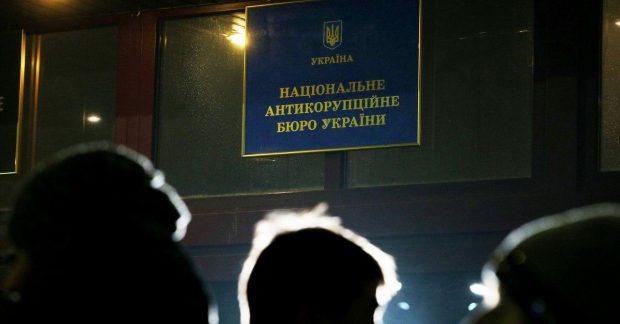
Debate over accountability of anti-corruption bodies: absence at the parliamentary commission
Heads of NABU and SAP missed a parliamentary commission meeting due to foreign business trips, sparking a debate on the priority of parliamentary oversight.